


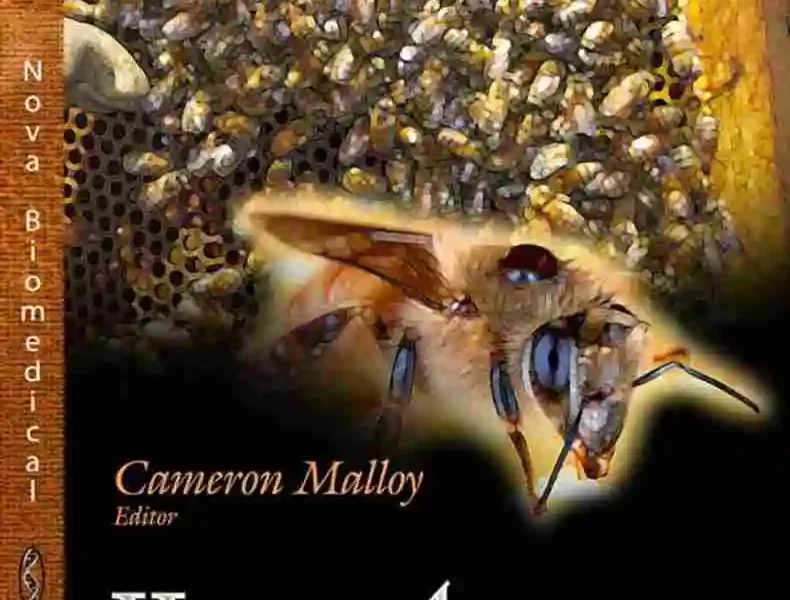
Honeybees: Foraging Behavior, Reproductive Biology and Diseases

by Cameron Malloy
January 2014
Honeybees are a subset of bees in the genus Apis, primarily distinguished by the production and storage of honey and the construction of perennial, colonial nests out of wax. In this book, the authors present current research in the study of the foraging behavior, reproductive biology and diseases relating to honeybees.
The book Honeybees: Foraging Behavior, Reproductive Biology and Diseases delves into the fascinating world of honeybees, focusing on their foraging habits, reproductive systems, and the diseases that affect them. It explores topics such as the health of bee colonies, the impact of environmental factors, and the intricate behaviors of honeybees when foraging.
The book Honeybees: Foraging Behavior, Reproductive Biology and Diseases highlights several key aspects of honeybee biology and ecology:
- Foraging Behavior: It explores the intricate strategies honeybees use to collect nectar and pollen, including their decision-making processes and communication methods like the waggle dance.
- Reproductive Biology: The book delves into the role of dopamine in honeybee reproduction and examines the differences in reproductive roles between worker bees and queens.
- Diseases: It discusses the various diseases that affect both adult bees and their brood, as well as the broader implications for colony health and survival.
- Environmental Interactions: Insights into how honeybees adapt to environmental changes and challenges, including their responses to visual stimuli and resource availability.